Introduction
The quest for life beyond Earth has captivated humanity for centuries, with Mars often at the forefront of exploration efforts. As the fourth planet from the sun, Mars has long intrigued scientists due to its similarities to our own planet, including evidence of water, past geological activity, and a range of environmental conditions. Recent discoveries and ongoing missions have made significant strides in understanding the potential for life on Mars, leading to renewed optimism about the planet’s habitability.
Recent Discoveries
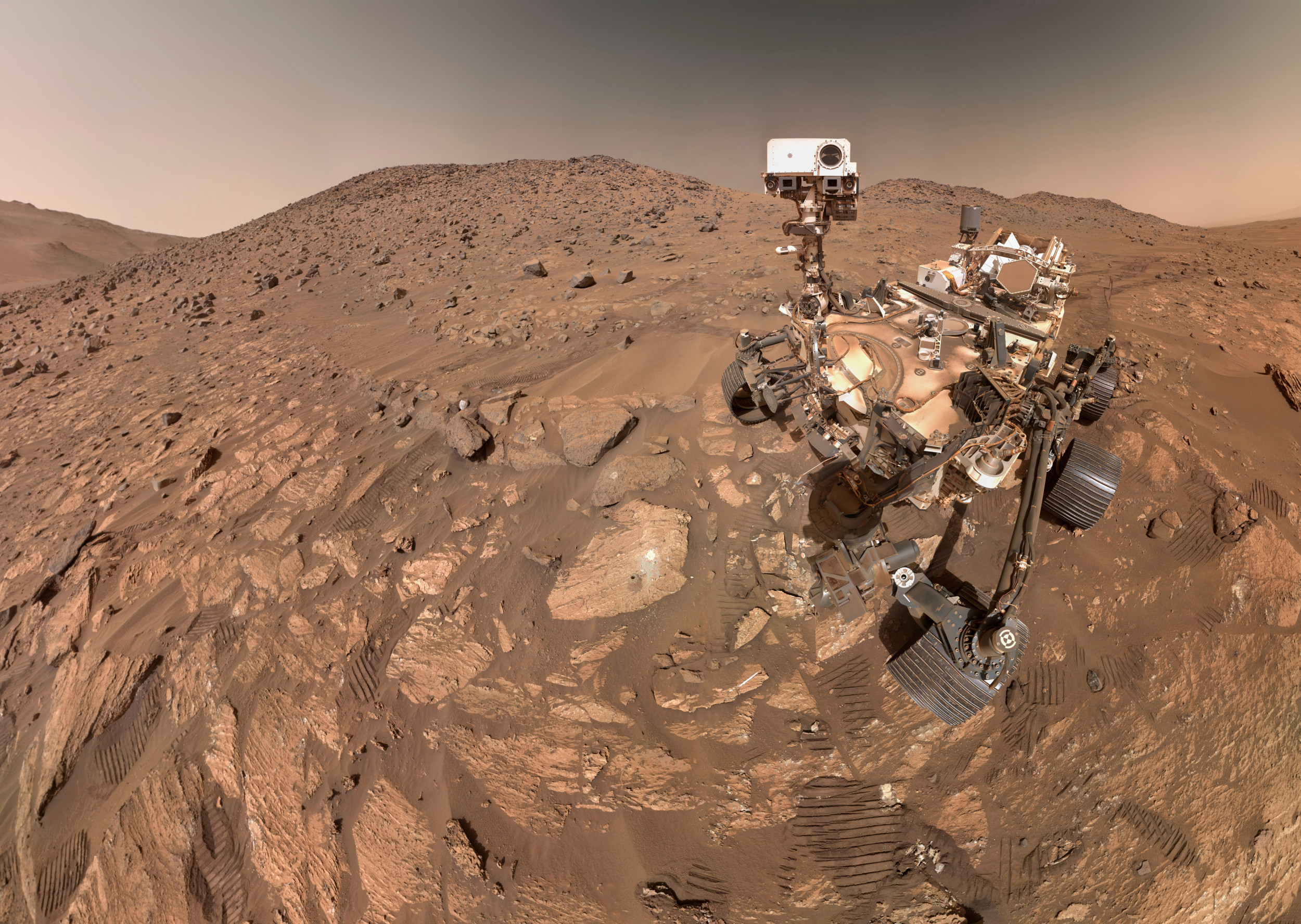
In late 2022, NASA’s Perseverance rover made headlines by successfully collecting and storing soil samples from the Jezero Crater, a site believed to be an ancient lakebed. Preliminary analysis suggests that the rock formations contain organic molecules, which are the building blocks of life. These findings have prompted scientists to consider the possibility of ancient microbial life flourishing on Mars.
Moreover, astronomers have utilized advanced telescopes to detect seasonal methane emissions on the Martian surface. Methane is a gas that, on Earth, is primarily produced by biological processes. While geological activity can also produce methane, the persistence of this gas over time on Mars raises questions about its origins. This has led researchers to propose further studies to ascertain whether microbial life could still exist beneath the planet’s surface or in unexplored regions.
Upcoming Missions
In pursuit of conclusive evidence, various space agencies, including NASA and the European Space Agency (ESA), have planned ambitious missions for Mars. The Mars Sample Return mission, which aims to retrieve samples collected by Perseverance and return them to Earth for detailed analysis, is set to commence in the 2030s. Should these samples contain traces of life, it would revolutionize our understanding of life in the universe.
Significance of the Research
The implications of discovering life on Mars are profound, not only for science but also for humanity’s outlook on existence beyond Earth. It could answer fundamental questions about the universe and our place in it, and help in understanding how life could adapt to different environments. Additionally, such discoveries could inform future exploration strategies, encouraging human missions to Mars in search of sustainable living.
Conclusion
In conclusion, while definitive evidence of life on Mars remains elusive, recent advancements and discoveries have injected hope into the scientific community. With innovative technology and international collaboration, the coming decades hold promise for potentially unveiling the mysteries of life on the red planet. As we continue to explore and study Mars, we inch closer to answering the age-old question of whether we are alone in the universe.