








Introduction
Ellen MacArthur, the renowned British sailor and environmentalist, has become a pivotal figure in the conversation around sustainability and the circular economy. Her experiences at sea and her subsequent advocacy have positioned her as a leader in promoting a new economic model that aims to reduce waste, extend product lifecycles, and create sustainable systems for the future. As nations and corporations grapple with environmental challenges, MacArthur’s work is increasingly relevant, highlighting the urgent need for systemic change.
The Journey of Ellen MacArthur
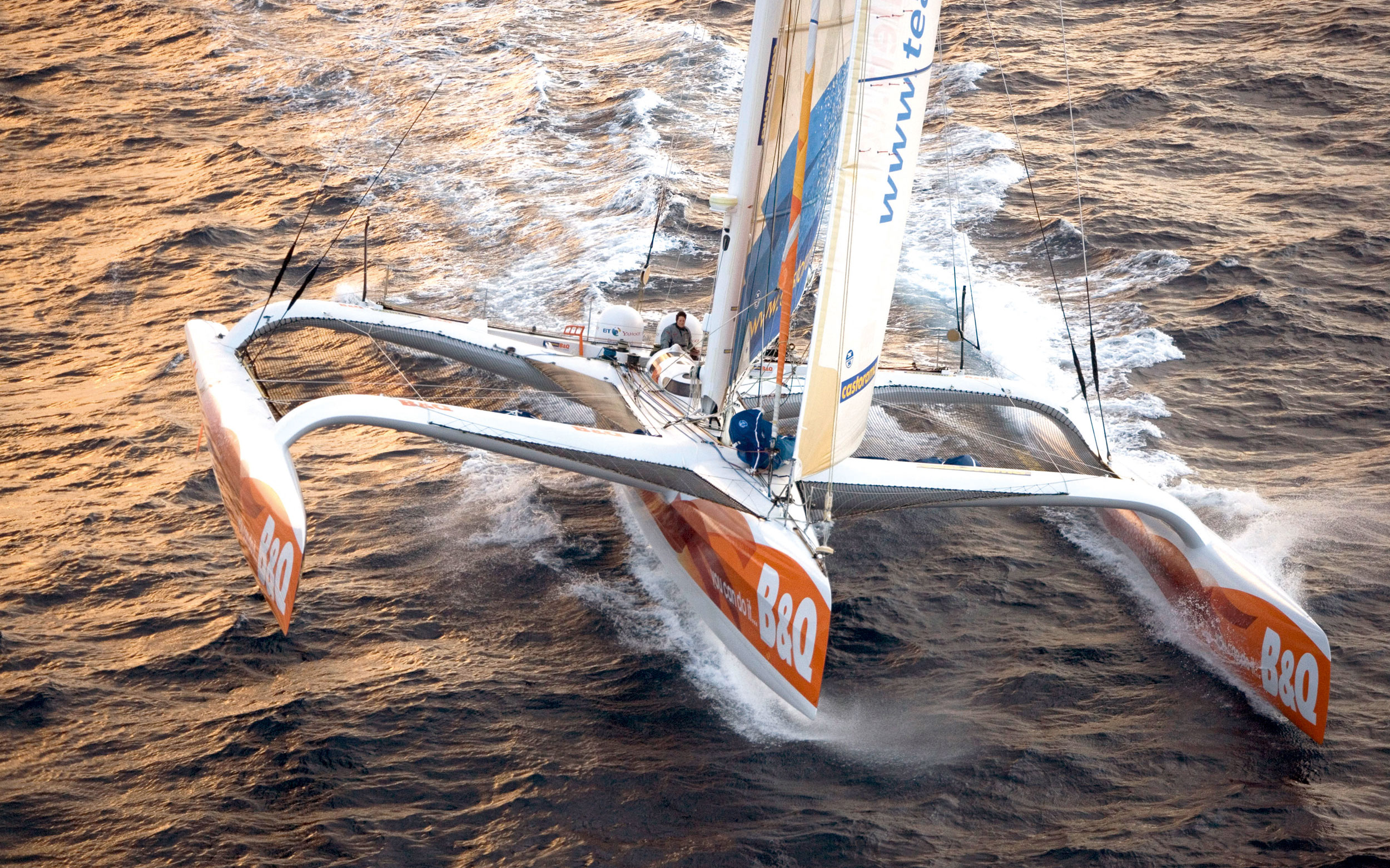
Ellen first captured the world’s attention in 2005 when she became the fastest person to sail solo around the world, completing the trip in 71 days. This incredible feat not only established her as a talented sailor but also opened her eyes to the vastness of the oceans and the issues they face from pollution and overexploitation. Driven by her newfound awareness of environmental issues, MacArthur founded the Ellen MacArthur Foundation in 2010, a charity focused on accelerating the transition to a circular economy.
The Circular Economy Explained
The circular economy is an alternative economic model aimed at reducing waste through the continual use of resources. Unlike the traditional linear economy, which typically follows a ‘take-make-dispose’ pattern, a circular economy advocates for the design of products that can be reused, repaired, or recycled. MacArthur argues that such a model not only conserves resources but also presents new opportunities for economic growth and innovation.
Current Initiatives and Impact
Under MacArthur’s leadership, the Ellen MacArthur Foundation has launched several significant initiatives aimed at various sectors, including fashion, plastics, and food. The Foundation has partnered with leading brands and institutions to redesign products and processes, encouraging industries to adopt circular principles. One of its key projects, the New Textiles Economy initiative, is bringing together stakeholders to rethink and redefine the fashion sector, which is one of the most polluting industries globally.
Moreover, the Foundation has published influential research and frameworks that guide governments and businesses in implementing circular strategies. As awareness grows, MacArthur’s philosophy on circularity is increasingly cited in policy-making and corporate strategies worldwide.
Conclusion
The work of Ellen MacArthur highlights a critical shift in understanding how we interact with our environment and resources. The need for sustainable practices has never been more pressing as the impacts of climate change continue to unfold. By championing the circular economy, MacArthur not only provides a pathway for sustainable development but also inspires a broader community to envision a world where economic activity and ecological preservation coexist harmoniously. Her continued efforts promise to influence future generations towards a more sustainable model, making her a key figure in the fight for our planet’s future.