









Introduction
NASA, the National Aeronautics and Space Administration, plays a pivotal role in the exploration of space and the advancement of aeronautics. Since its establishment in 1958, NASA has become a beacon of international cooperation in scientific research and space exploration, with its missions continuing to captivate global interest. In light of recent developments and ongoing projects, understanding NASA’s current role is more significant than ever.
Recent Developments and Missions
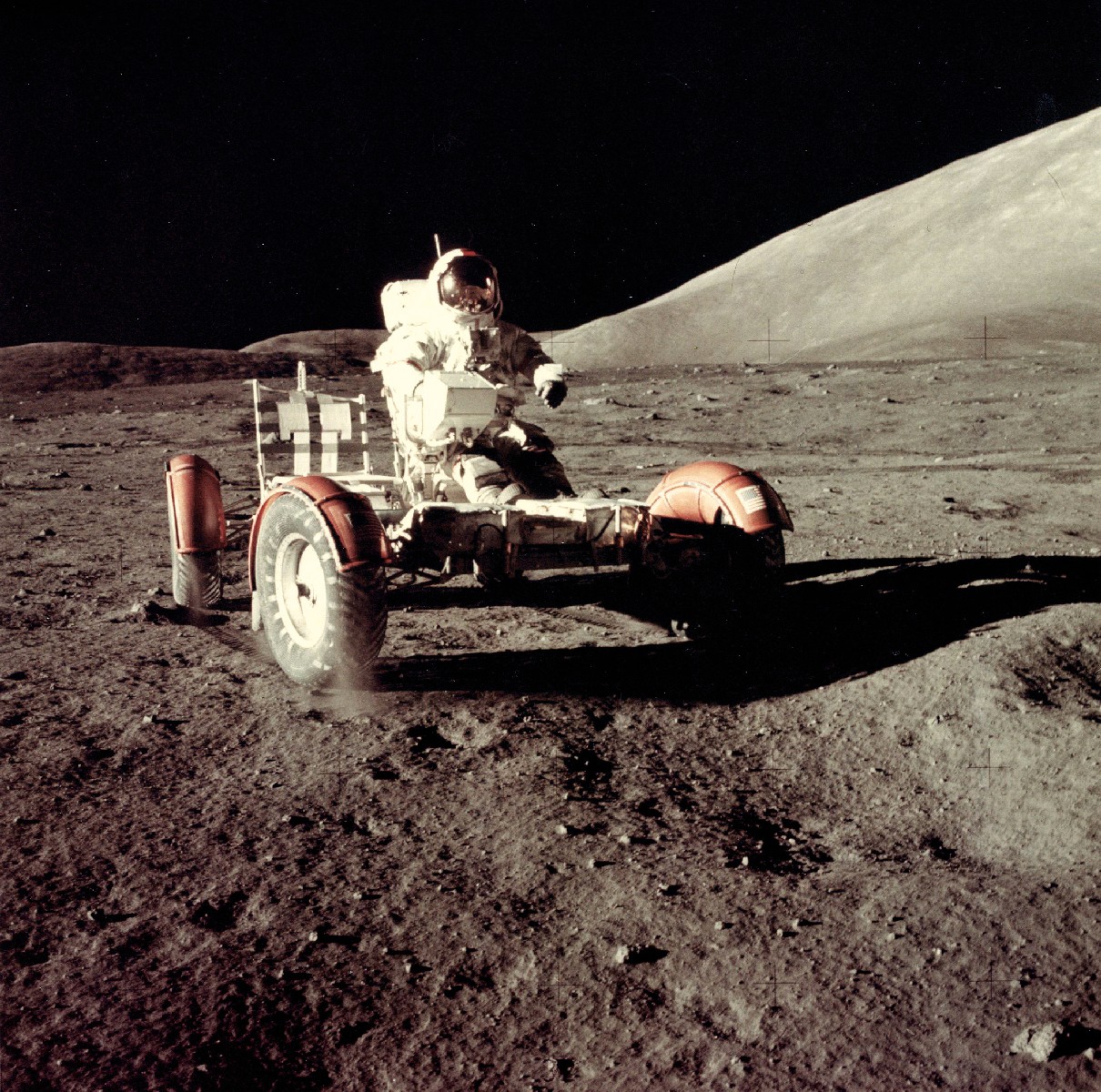
NASA has recently made headlines with the successful launch of the Artemis I mission. This uncrewed flight test is a critical step in returning humans to the Moon, aiming for the first woman and next man to land on its surface by 2025. Artemis I represents a shift towards sustainable lunar exploration and aims to pave the way for future manned missions to Mars.
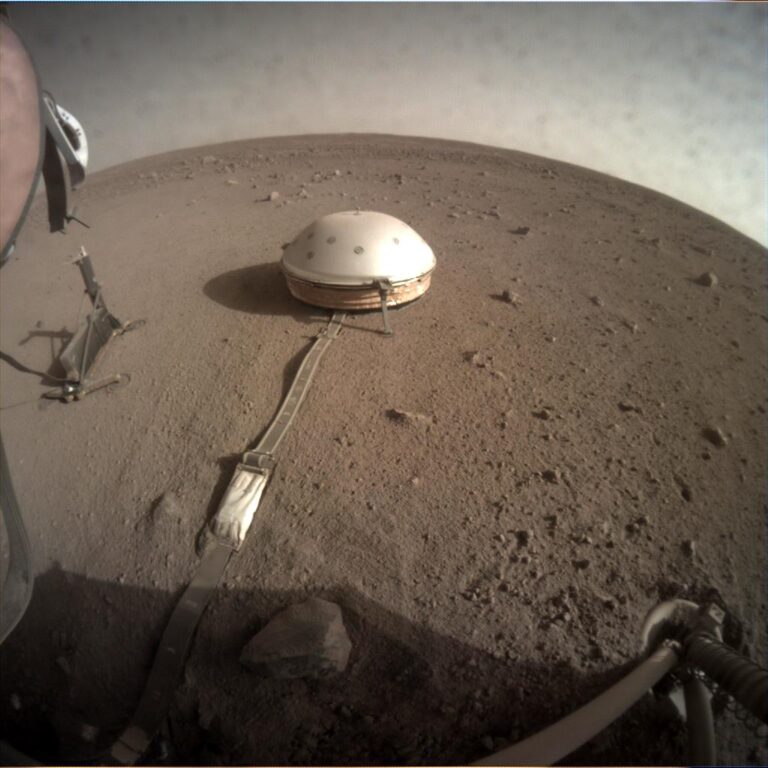
Moreover, NASA’s Perseverance rover, which landed on Mars in February 2021, is actively searching for signs of ancient microbial life. It is equipped with advanced technology to collect soil samples that will eventually be returned to Earth for further analysis, a mission expected to deepen our understanding of the Martian landscape and its history.
International Collaboration and Scientific Advancement
Collaboration has been a key aspect of NASA’s success. The organisation works alongside other space agencies, including ESA (European Space Agency) and ISRO (Indian Space Research Organisation), to enhance scientific research and share technology. Joint initiatives, such as the International Space Station (ISS), have allowed astronauts from various countries to work collaboratively, fostering a spirit of innovation and discovery.
Furthermore, NASA’s investments in Earth observation technology provide critical data on climate change, natural disasters, and global ecosystems. Programs like Landsat and the Earth Observing System offer invaluable insights that assist with environmental monitoring and disaster response worldwide.
Conclusion
The significance of NASA transcends mere space exploration; it encompasses global cooperation in scientific advancement and environmental stewardship. As NASA continues to push the boundaries of what is possible, the organisation not only inspires future generations but also addresses some of humanity’s most pressing challenges. With ongoing projects aimed at returning to the Moon, exploring Mars, and monitoring our planet’s health, the future of NASA promises fascinating developments that will resonate through science, technology, and society.