Introduction
The concept of the home office has gained significant traction in recent years, particularly as a result of the COVID-19 pandemic. With remote work becoming a norm for many, understanding the significance of a well-designed home office is imperative for productivity and well-being. This article delves into the current trends in home offices, the benefits they offer, and tips for creating an effective workspace.
The Shift to Remote Work
According to a report by the Office for National Statistics (ONS), around 40% of the UK workforce was working remotely as of early 2022. This drastic shift highlights the changing landscape of work and necessitates a focus on how home environments can be transformed into efficient workspaces. Companies are now recognising the long-term viability of remote work, thus further reinforcing the need for well-equipped home offices.
Benefits of a Designated Workspace
Having a dedicated home office can lead to improved productivity and work-life balance. A separate workspace helps to establish boundaries between work and personal life, reducing distractions and enhancing focus. Additionally, studies have shown that a functional work environment can boost creativity and motivation.
Cost Efficiency
For both employees and employers, home offices can lead to significant cost savings. Employees save on commuting expenses, while employers reduce overhead costs associated with maintaining physical office spaces. This shift has prompted many organisations to rethink their office needs, with some downsizing their office space or moving to entirely virtual setups.
Design Tips for an Effective Home Office
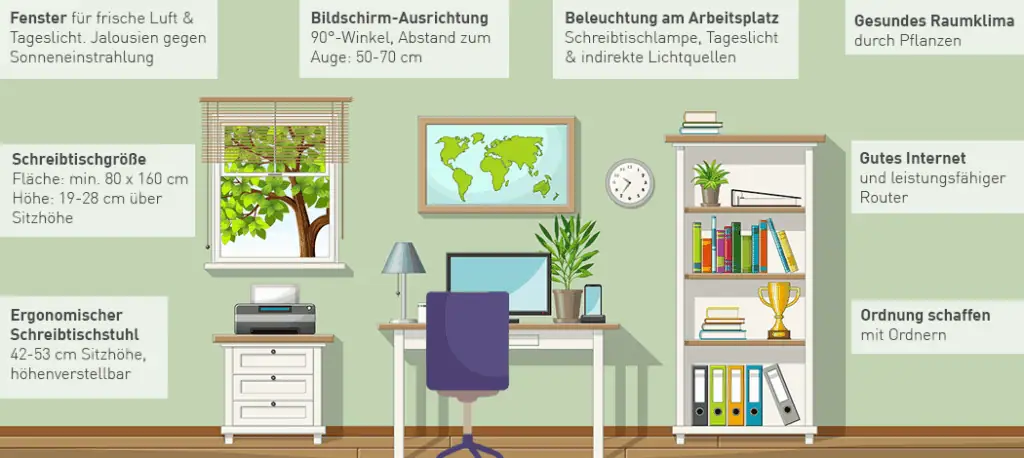
Creating a productive home office doesn’t need to be complicated. Here are some essential tips:
- Ergonomic Furniture: Invest in an ergonomic chair and desk to minimise physical strain during long working hours.
- Good Lighting: Natural light is ideal, but where it’s lacking, consider quality task lighting to reduce eye strain.
- Organizational Tools: Use shelves, storage boxes, and files to keep the workspace clutter-free.
- Personal Touches: Adding personal items like plants or artwork can make the workspace more inviting.
Conclusion
The home office trend is likely to continue as more employees and businesses embrace flexible working arrangements. In the coming years, we may observe further innovations in remote work technologies and designs that accommodate diverse work styles. For those looking to optimise their home office, thoughtful design and ergonomic choices will be crucial in fostering productivity and a healthy work-life balance.