Introduction
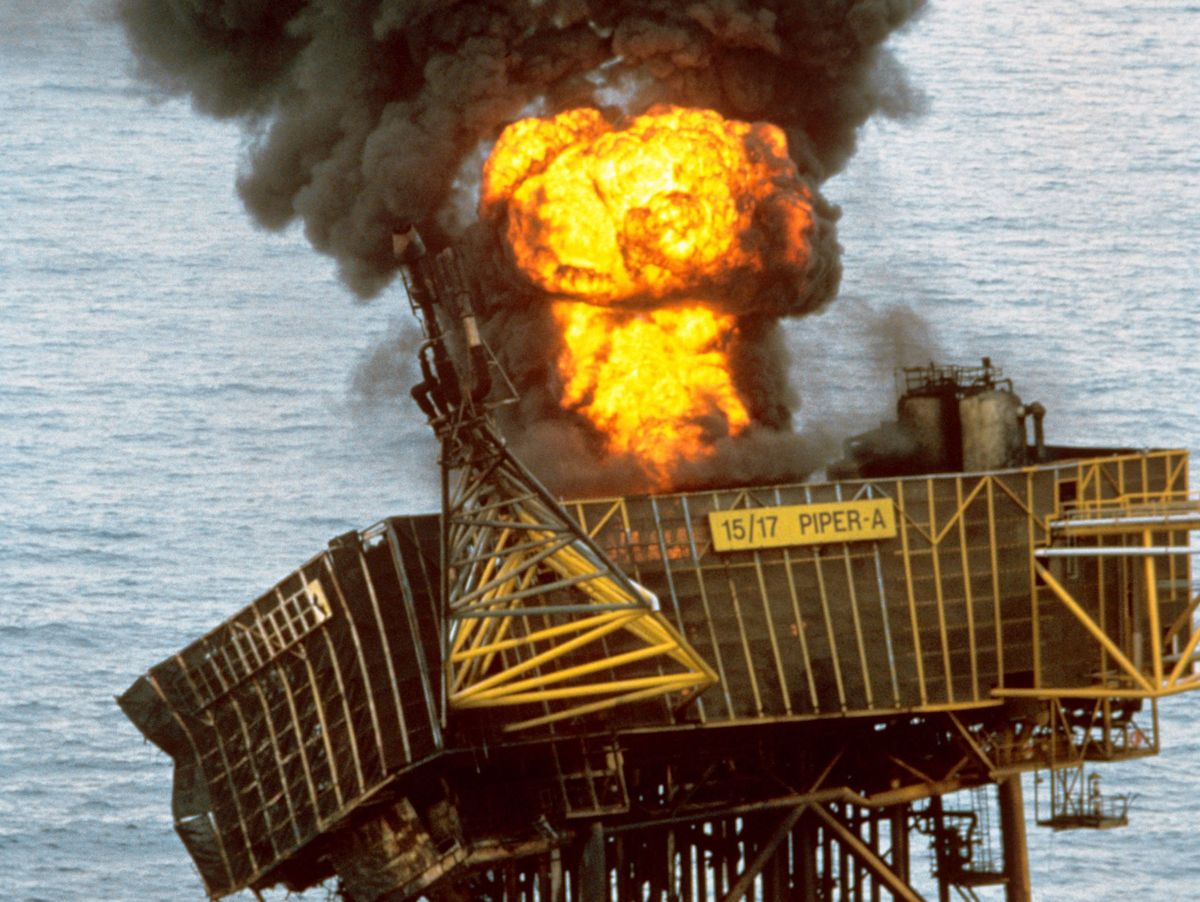
The Piper Alpha disaster of 1988 stands as one of the most significant tragedies in the history of the offshore oil and gas industry. The explosion and subsequent fire claimed the lives of 167 workers and reshaped safety regulations across the globe. Understanding the catastrophic events of that night is critical for the continuous improvement of safety protocols in high-risk industries.
Details of the Disaster
On the night of July 6, 1988, the North Sea oil platform Piper Alpha, operated by Occidental Petroleum, was engulfed in flames following a series of explosions. The disaster unfolded due to a combination of technical failures, poor safety practices, and inadequate emergency response measures. Initially, a malfunction in the platform’s condensate pump led to a gas leak, but the platform’s design flaws and a lack of safety systems exacerbated the situation.
Despite having undergone regular maintenance and safety drills, the preparedness of the crew was severely tested when the incident occurred. Reports indicate that many workers were unable to evacuate effectively due to overcrowding at lifeboat stations and a failure to communicate crucial information during the initial stages of the fire.
Investigations and Reforms
The public inquiry, led by Lord Cullen, highlighted critical lessons on risk assessment, emergency preparedness, and the importance of a safety-first culture in the oil industry. One of the key findings was the need for more stringent regulations regarding safety measures and management systems in offshore operations. As a result, significant reforms were implemented, including the establishment of the Offshore Safety Directive and the Health and Safety Executive’s stricter oversight.
Conclusion
The Piper Alpha disaster serves as a grim reminder of the importance of safety in the oil and gas industry. While regulations have improved significantly since 1988, the industry must remain vigilant against complacency. Ongoing training, investment in safety technologies, and an unwavering commitment to emergency preparedness are necessary to prevent such tragedies from occurring again. As we commemorate the lives lost in this disaster, it is incumbent upon all stakeholders in the oil industry to continue striving for the highest safety standards to protect workers and the environment alike.