










Introduction
The Chernobyl disaster, which occurred on April 26, 1986, remains one of the most significant nuclear accidents in history. It not only resulted in immediate human tragedy but also had long-lasting effects on environmental health and nuclear policy worldwide. As nations continue to grapple with energy needs amidst climate concerns, the lessons learned from Chernobyl are more relevant than ever.
Overview of the Disaster
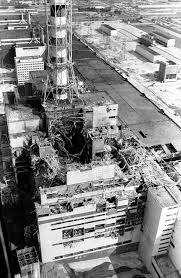
The explosion at Reactor No. 4 of the Chernobyl Nuclear Power Plant in Ukraine released vast quantities of radioactive particles into the atmosphere, affecting various parts of Europe. An estimated 31 immediate deaths were attributed to the incident, with thousands more suffering from radiation exposure and long-term health effects, including increased cancer rates. The Soviet government’s initial response was marred by misinformation and a lack of transparency, leading to widespread panic and evacuation challenges.
Continued Impact
Today, the exclusion zone, a 30-kilometre radius around the reactor, remains largely uninhabited, although it has become a site for scientific research and tourism. The ongoing cleanup and containment efforts highlight the challenges of managing nuclear waste and the risks associated with nuclear energy. In recent years, the area has seen a rise in visitors keen to understand the historical significance of the events that unfolded and the state of the environment in a post-nuclear disaster context.
Lessons for the Future
Chernobyl has led to significant changes in how nuclear safety is approached worldwide. The disaster catalysed the overhaul of safety protocols and emergency procedures in nuclear facilities around the globe. International cooperation has increased, with enhanced standards and greater regulatory frameworks being established through organisations such as the International Atomic Energy Agency (IAEA).
Conclusion
The Chernobyl disaster serves as a stark reminder of the potential hazards associated with nuclear energy. It poses critical questions about the balance between energy needs and safety, especially as many countries consider nuclear power as a viable alternative to fossil fuels in addressing climate change. As the world moves forward, the lessons of Chernobyl remain vital for guiding policy and ensuring the safe use of nuclear technology, safeguarding both current populations and future generations.