Introduction: The Importance of Persia
Persia, known today as Iran, is one of the world’s oldest continuous major civilizations. Modern understanding of Persia contributes to the broader comprehension of cultural, historical, and political contexts in the Middle East. Insights into its illustrious past offer valuable lessons for contemporary issues, including geopolitics and cultural preservation.
The Historical Legacy
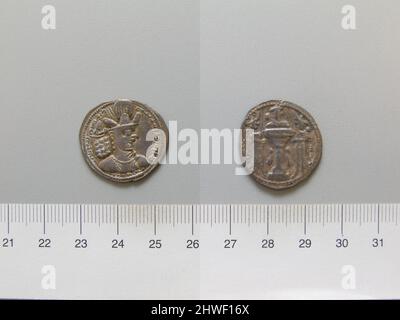
Founded over 2,500 years ago, Persia experienced golden ages under various dynasties, including the Achaemenid Empire, which at its height dominated much of the known world, stretching from the Indus River to the Aegean Sea. This empire is notable for its bureaucracy and infrastructure, including the Royal Road and the creation of a postal system.
The Persian Empire was also a pioneer in tolerance and diversity, exemplified in King Cyrus the Great’s declaration of human rights, often considered the first charter of its kind. Today, the significance of this historiographical perspective speaks to the importance of multiculturalism in modern societies.
Recent Developments and Cultural Revival
In recent years, there has been a resurgence of interest in Persian culture and history. Events celebrating Persian literature, art, music, and cuisine are being held worldwide, highlighting the continuing influence of Persian culture. Notably, the works of poets like Rumi and Hafez are being rediscovered and appreciated by new generations.
Political Influence and Current Relevance
Understanding Persia’s history is crucial to comprehending the contemporary political landscape of the Middle East. The Islamic Revolution of 1979 drastically transformed Iran’s governance and its role on the world stage. Tensions between Iran and several nations today often echo the historical conflicts and alliances formed in ancient Persia.
Conclusion: Reflections on the Legacy of Persia
As the world becomes increasingly interconnected, the lessons from Persia’s rich history gain further relevance. Its traditions teach us about resilience, the significance of cultural exchange, and the importance of history in shaping national identities. The exploration of Persia can enlighten today’s discourse on peace, understanding, and cooperation among cultures.
In the years to come, the historical significance of Persia will likely continue to influence scholarship and international relations, reinforcing the idea that learning from the past is essential for a cooperative global future.