Introduction
The Puskás Aréna, located in Budapest, Hungary, is not just an impressive venue for sports but also a significant cultural landmark. Opened in 2019, it was built to honour the famed footballer Ferenc Puskás, and its construction marks a key development in Hungary’s sports infrastructure. This state-of-the-art facility has become a critical part of the nation’s sports culture and is pivotal in hosting international events, thus adding to Budapest’s allure.
Construction and Features
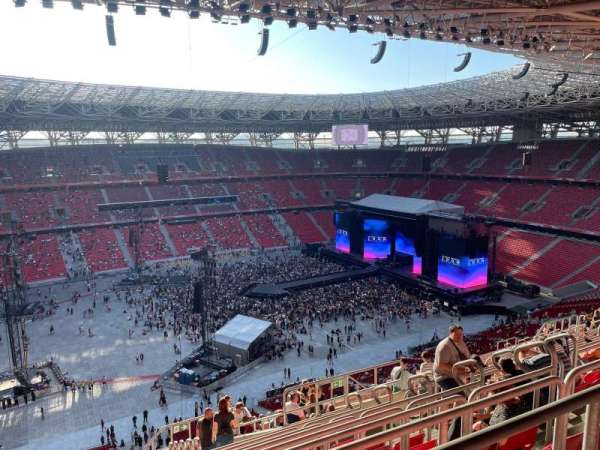
The construction of the Puskás Aréna began in 2017, replacing the old Puskás Ferenc Stadium, which had served Hungary since 1953. Designed by the Hungarian architectural firm Középülettervező Zrt., the arena showcases modern design with a seating capacity of 67,889, making it the largest stadium in Hungary. Its design incorporates advanced technology, ensuring a superior spectator experience with an innovative roof structure that enhances acoustics and visibility. The stadium is also equipped with LED screens and modern amenities, enhancing its appeal for both players and fans.
Significant Events and Importance
Since its inauguration, the Puskás Aréna has hosted highly anticipated events, including UEFA Euro 2020 matches and various international fixtures. Its status as a predominantly football stadium does not limit its capabilities; the venue is versatile enough to host concerts and other sporting events, contributing substantially to Budapest’s cultural scene. The arena is integral in establishing Hungary as a notable destination for international sporting events, promoting local tourism and economic growth.
Conclusion
In conclusion, the Puskás Aréna stands as a testament to modern engineering and is a crucial element of Hungary’s sporting legacy. It not only pays tribute to one of the greatest footballers in history but also serves as a catalyst for the revival of sports enthusiasm in the country. As Budapest continues to grow as a tourist destination, the Puskás Aréna will undoubtedly remain at the forefront, drawing both sports fans and visitors from around the world, establishing a vibrant cultural and social hub.