










Current Fuel Prices in Delhi
As of March 12, 2026, fuel prices in Delhi have shown a notable trend, with petrol priced at ₹94.77 per litre and diesel at ₹87.67 per litre. These prices have remained stable for over six months, attributed to government policies and cost absorption by oil marketing companies (OMCs). The stability in fuel prices has provided some relief to consumers amidst rising costs in other sectors.
Alternative Fuels and LPG Prices
Compressed Natural Gas (CNG) is currently priced at ₹77.09 per kg in Delhi, while domestic Liquefied Petroleum Gas (LPG) is available at ₹913.00 per cylinder. The commercial LPG price stands at ₹1,884.50 per cylinder. Notably, there was a ₹60 increase in LPG prices on March 7, 2026, which has raised concerns among households reliant on this fuel for cooking and heating.
Gold Prices Amidst Fuel Trends
In addition to fuel prices, the gold market has also been affected by economic conditions. As of the same date, the price of 24K gold in Delhi is ₹16,237 per gram, while 22K gold is priced at ₹14,885 per gram. The fluctuations in gold prices often reflect broader economic trends, including inflation and consumer spending, which can be indirectly influenced by fuel costs.
Impact on Air Quality
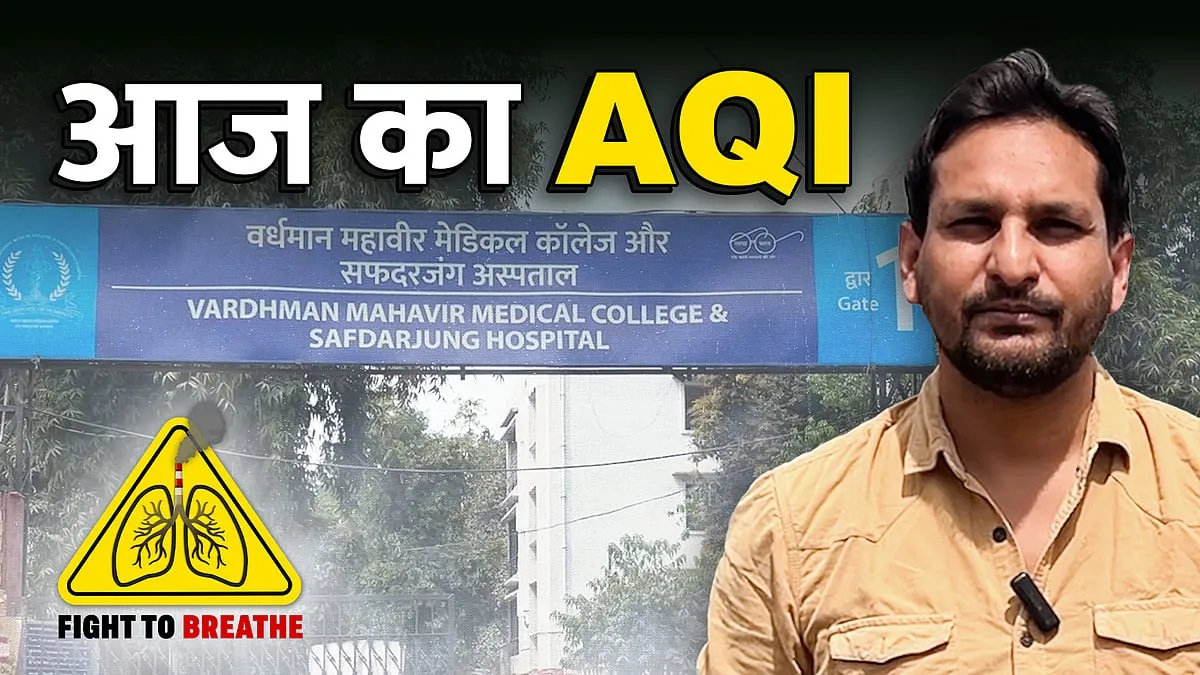
The relationship between fuel prices and air quality in India is complex. High fuel prices can lead to reduced consumption of petrol and diesel, potentially resulting in lower emissions from vehicles. However, the increase in LPG prices may push some consumers to revert to more polluting fuels, which could negate any positive effects on air quality. As cities like Delhi grapple with severe air pollution, the implications of fuel pricing strategies are critical.
Historically, domestic retail petrol and diesel prices have remained stable due to government interventions and the absorption of costs by OMCs. This stability has been crucial for consumers, especially in urban areas where transportation costs significantly impact daily life. The recent price adjustments, particularly in LPG, highlight the ongoing challenges in managing fuel costs while ensuring environmental sustainability.
Current State and Future Considerations
As it stands, the fuel pricing landscape in India is under close scrutiny. The government’s approach to maintaining price stability while addressing air quality concerns will be pivotal in the coming months. Stakeholders, including environmentalists and economic analysts, are keenly observing how these trends will evolve, especially with the potential for further adjustments in fuel prices.
The current trends in fuel prices and their implications for air quality in India underscore the need for a balanced approach to energy consumption and environmental health. As the nation navigates these challenges, the importance of sustainable practices in fuel usage becomes increasingly clear.